
Behind the scenes of packaging compliance: The foundation for greener NHS procurement
As part of the packaging programme, we’re taking a closer look at how packaging is currently used across our product portfolio and where we can make it leaner and more sustainable. This year’s packaging compliance work is an essential part of that. Before we can improve packaging, we need information about what is currently used. That starts with reliable, verified data.
Packaging might not be the first thing people think of when discussing sustainability in healthcare, but it plays a critical role in reducing environmental impact and supporting regulatory requirements.
For us, packaging compliance isn’t just a regulatory requirement. For us, packaging compliance is not only about meeting obligations, but also the foundation that allows the packaging programme to make informed evidence-based improvements that support the NHS Net Zero ambition and more circular approach.
What is packaging compliance?
Packaging compliance ensures that all packaging used on our products UK regulations under the Extended Producer Responsibility (EPR) scheme. It includes accurate reporting of packaging weights and materials so that the correct Packaging Recovery Notes (PRNs) can be purchased.
This data gives us:
- A clear view of the materials we use
- Insights into inefficiencies
- The ability to work with suppliers on improvements
- Evidence to support packaging reduction, redesign or removal.
This is the hidden groundwork that enables future change. Without it, we cannot make reliable decisions or demonstrate progress.
Annual weighing day: accuracy in action
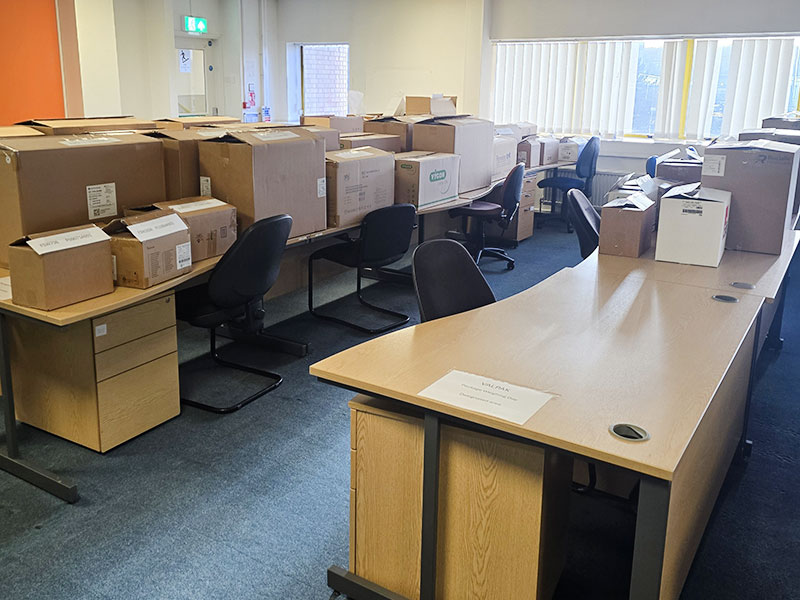
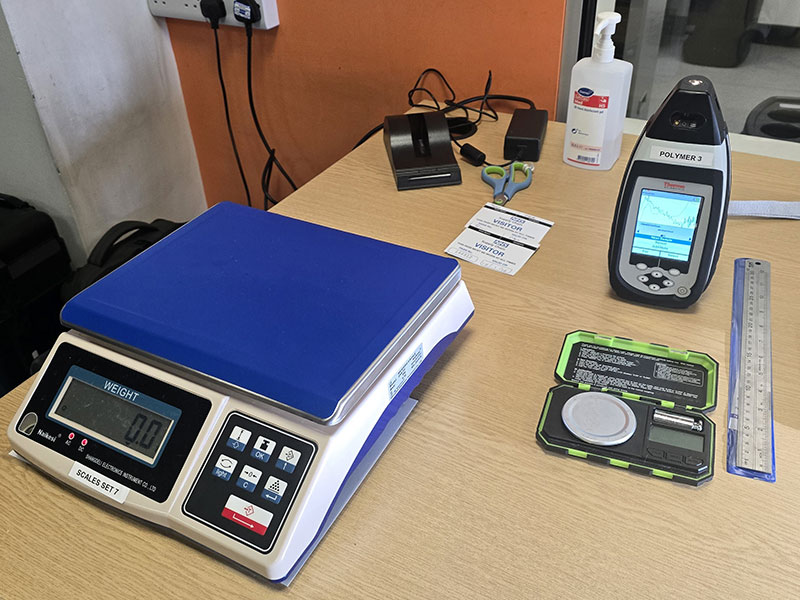
We carried out an annual weighing day; this is a hands-on process to verify the packaging of our top selling products against the data suppliers provide. It gives us real‑world data that helps us spot inaccuracies, understand material use, and identify where packaging may be adding unnecessary cost into the system.
The process involves:
- Weighing packaging components using calibrated scales
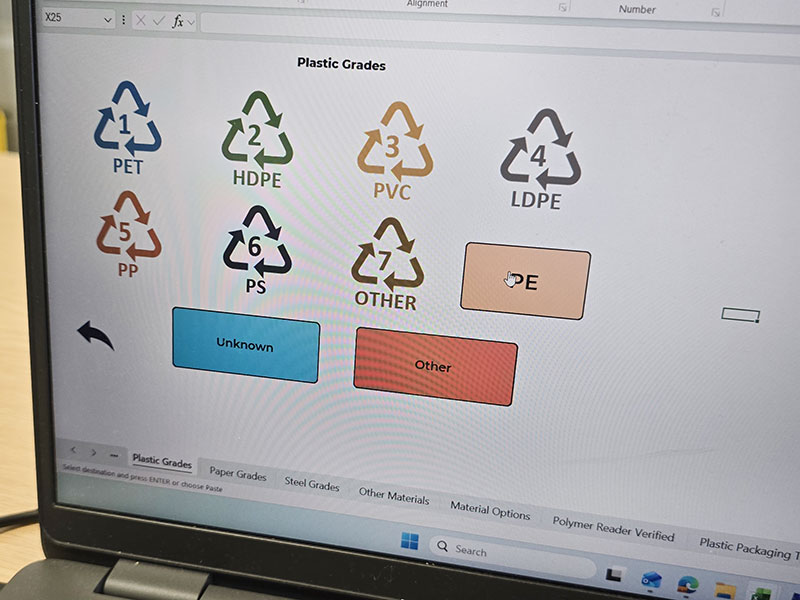
- Identifying material types such as PET, HDPE, LDPE and cardboard
- Recording verified data in compliance systems for EPR reporting.
This work is detailed but ensures every gram is accounted for.
Why this matters for sustainability and for the packaging programme
Accurate packaging data helps us:
- Reduce waste by identifying unnecessary or oversized packaging
- Improve recyclability by understanding material composition
- Support NHS Net Zero goals by cutting carbon linked to packaging production and disposal.
Beyond compliance, this data is the engine of the packaging programme. It allows us to:
- Approach suppliers with clear, evidence-based insights
- Identify where packaging redesign could reduce material use
- Track progress against our reduction and recyclability targets
- Build a more sustainable packaging strategy for the NHS.
The bigger picture
Packaging might seem small compared to the bigger sustainability challenges in healthcare, but every step counts. By getting the details right, we are building a greener, more efficient supply chain for the NHS One product, one gram, one improvement at a time.
Links section
-
Sustainability
View our sustainability page for the latest news and sustainable switching opportunities.