
Ultra‑portable X‑ray in community care reduces hospital admissions by up to 86%
This case study provides an example to demonstrate one trust’s experience with a specific solution available through our frameworks. The inclusion of supplier names and/or products in this case study are intended strictly for educational purposes and does not constitute an endorsement of the individual suppliers by NHS Supply Chain.
The results and findings presented are specific to the product featured. As a supplier-agnostic organisation, we support informed choice across the full range of solutions within each category.
Introduction
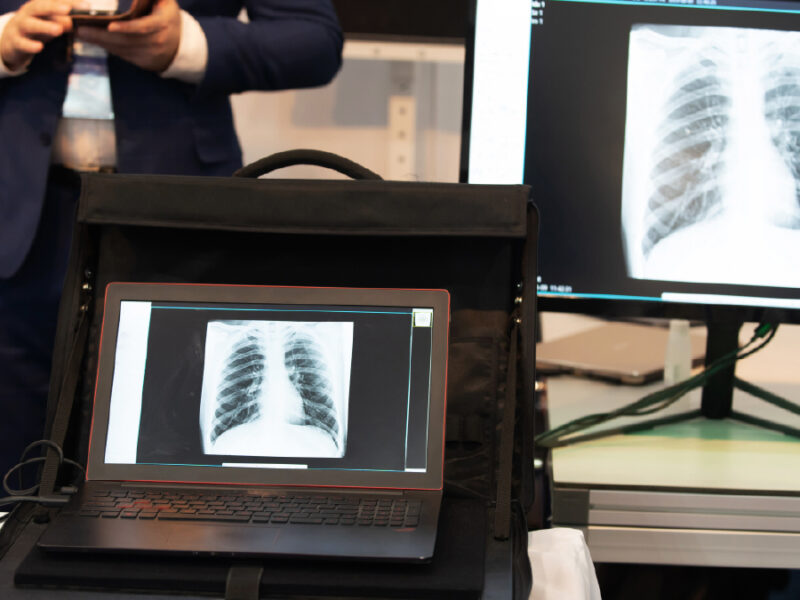
Royal Cornwall Hospitals NHS Trust piloted an ultra-portable X-ray service delivering hospital-quality diagnostic imaging directly to frail and high-risk patients in their homes, care homes and community settings.
The pilot demonstrates how diagnostics can be safely transferred from hospital into the community, improving patient experience while reducing pressure on urgent and emergency care services.
The challenge
Cornwall is a rural and coastal county where patients often face long journeys and limited transport links. For elderly and frail patients, this can result in stressful and delayed hospital attendances that could potentially be avoided.
Each year, more than 1,000 patients in Cornwall experience a fall and are conveyed to emergency departments. A significant number are found not to have sustained a fracture, creating avoidable system pressure.
The average Emergency Department pathway cost for these patients was initially estimated at £1,068 per case. Following collaboration with our Care Pathway Team at NHS Supply Chain, this assumption has been reviewed and refined resulting in a revised average cost of £2,439 per patient, which has now been fully validated using a robustly evidenced economic model.
Ongoing crowding, long waits and avoidable short stay admissions of two to three days add further strain and increase patient distress. Frail patients are also at increased risk of hospital-related harm, including deterioration, deconditioning and more complex discharge needs.
The aim
Reduce A&E attendance
Free up emergency department capacity
Fewer patient transfers
Reducing avoidable patient conveyance by ambulance
Safer, more comfortable treatments
Fewer avoidable hospital admissions and lower patient distress
The solution
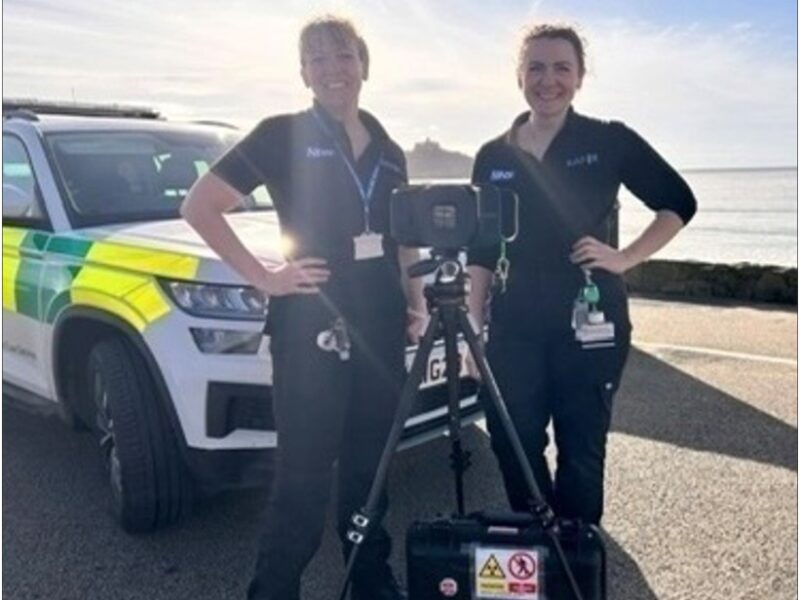
The pilot service used ultra-portable diagnostic technology to transfer imaging from hospital and bring it directly to patients in the community, moving care from hospital to home and aligning with the NHS Long Term Plan ambitions.
Right test:
- Ultra-portable and lightweight X-ray device.
- Easy to transport and deploy in community settings.
- Wireless and battery-powered with no requirement for mains electricity.
- High-resolution diagnostic imaging with low radiation dose.
- Hospital quality X-ray delivered wherever the patient is located.
Right place:
- Delivered outside acute hospital settings, reducing ambulance conveyance and releasing 999 capacity.
- Delivered in homes of patients, avoiding A&E attendance and unnecessary conveyance.
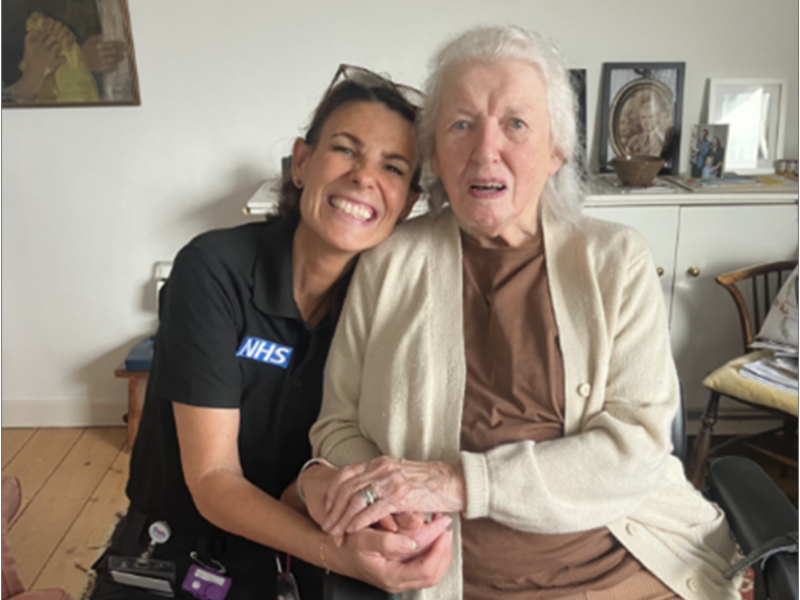
- Supports keeping people safe and well at home, providing reassurance and stability for frail and elderly patients.
Right time:
- Operating Monday to Friday, from 8am to 5pm.
- Average visit time of 42 minutes.
- Rapid communication of fracture diagnosis, or reassurance where none is present.
Partnership working
The Cornwall pilot demonstrates what is possible when community diagnostics, digital innovation and prevention are embedded through strong partnership-wide working.
The Integrated Care Board (ICB) convened weekly cross-organisational meetings to co-design the service, resolve operational challenges and maintain a shared focus on patient benefit.
Key partners included:
- Primary care with GP leadership supporting governance, referral pathways and protocols.
- Royal Cornwall Hospitals Trust and ICB programme and research managers supporting data collection and evaluation.
- Kernow Health Community Interest Company providing operational support through use of an out-of-hours vehicle during service hours.
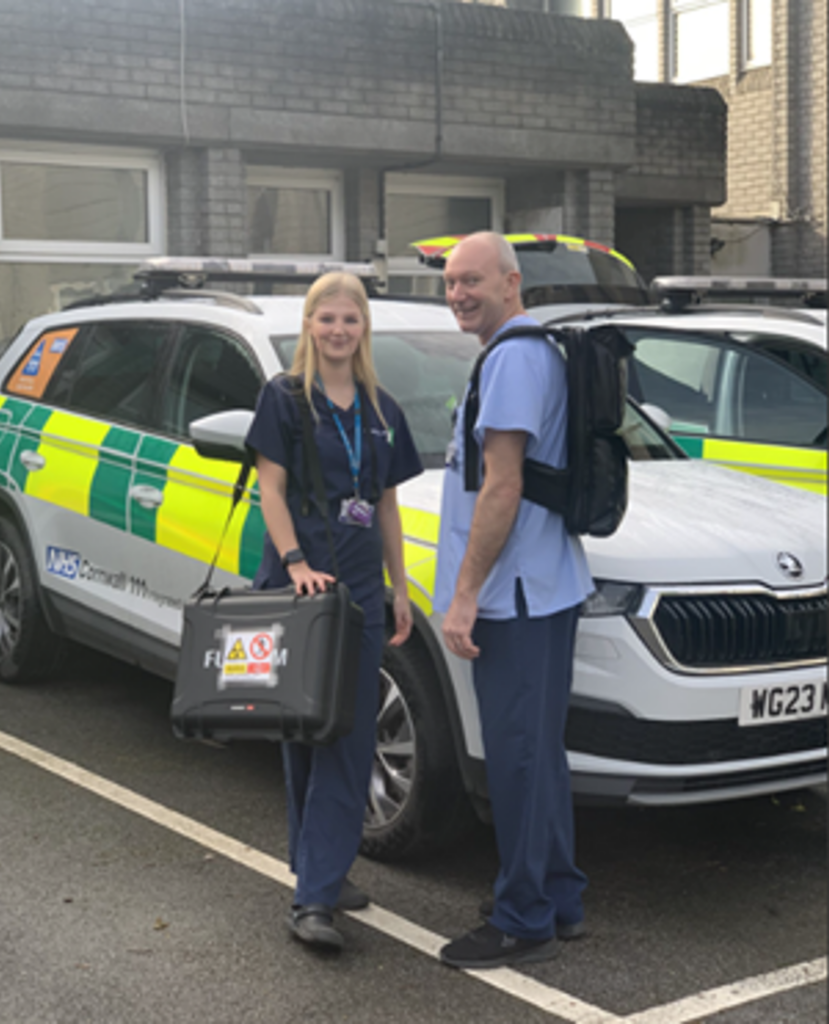
- Royal Cornwall Hospitals Trust imaging team comprising four radiographers and three clinical imaging assistants working in paired teams.
- ICB and West Integrated Care Area providing joint funding of £64,000.
- Referral sources including GPs, paramedics, district nursing, physiotherapy, care homes and virtual wards, with over 50% of referrals originating from primary care.
The results
The value of the ultra-portable X-ray service extends beyond technology. It represents a fundamental step change in how diagnostics support patient flow, prevention and Value Based Healthcare (VBHC) – enabling faster access to imaging, reducing system pressure and delivering measurable improvements in care delivery.
Pilot activity – February 2024 to March 2025
- 702 community X-ray visits delivered
- 93 patients conveyed to hospital
- 609 conveyances prevented, representing 86.7% of cases
- Mean patient age: 83
- Most common age group: 86 to 90
- Average Clinical Frailty Score of six
- Average job time of 42 minutes
- Cost avoidance of £1,485,560 achieved over the pilot period.
Outcomes
Next steps
- Invest to Save approaches to scale mobile X-ray adoption using quantitative and qualitative evidence
- Exploration of a frailty virtual fracture clinic model
- Integration with Community Diagnostic Centres
- Expansion of mobile diagnostics to include technologies such as point of care testing and portable ultrasound.
Patient and carer feedback
Very grateful for this service. Made me feel at ease. Two very nice people to help me.
Excellent service which minimises anxiety for mum who has advanced dementia.
I am paraplegic and expected to go to hospital. I was surprised to get a mobile X-ray team. I hope you keep this service.
You made it really good. I prefer this to hospital.
Superb service. Much better for an elderly person than a long, stressful trip to A&E.
Better than winning the lottery.
Stopped a trip to Derriford which is distressing for all.
Join the future of diagnostics-led care
This is a new VBHC opportunity delivering proven system savings through community diagnostics.
As the Care Pathway Team, we are supporting this workstream in line with Elective Recovery Targets, helping systems reduce pressure, improve flow and unlock capacity through smarter use of diagnostics.
See our Useful Links section to read more about an ultra-portable X-ray and contact our Care Pathway Team.
Contact our Care Pathway Team to explore adoption and develop local financial modelling for your trust or system – or submit an enquiry using the green button on the right-hand side.
Links section
-
Care Pathway Team
Helping improve the link between procurement and clinicians and driving the adoption of innovation.
-
From Hospital to Community: How portable diagnostics can transform patient access
Read how portable diagnostics can transform patient access.
-
How to avoid admissions using a mobile X-ray car
Read Healthcare Leaders article here.
-
Fewer people go to hospital due to home X-ray - GP
Read BBC News article here.
-
A service evaluation of the clinical and cost effectiveness of a home-deployed mobile x-ray imaging service in a regional setting
Read more about a service evaluation of the clinical and cost effectiveness of a home-deployed mobile x-ray imaging service.
-
Getting It Right First Time
Co-ordinated frailty care for better outcomes.