
NHS Supply Chain product switch reduces hernia recurrence by 99% and delivers £1.57 million in savings for trust
NHS Supply Chain has demonstrated how Value Based Procurement can significantly improve patient outcomes and reduce systemwide costs through a pioneering programme evaluating second-generation surgical mesh.
Around 100,000 hernia repairs take place each year in England, with Complex Abdominal Wall Reconstruction (CAWR) patients historically facing high recurrence rates. The most commonly used biologic meshes often degrade over time, leading to repeat surgeries, long recoveries and increasing pressure on NHS resources.
After a new ovine collagen second-generation mesh showed early promise several years ago, NHS Supply Chain worked closely with University Hospitals of Morecambe Bay to understand the root causes of recurrence and evaluate the new mesh in real world settings.
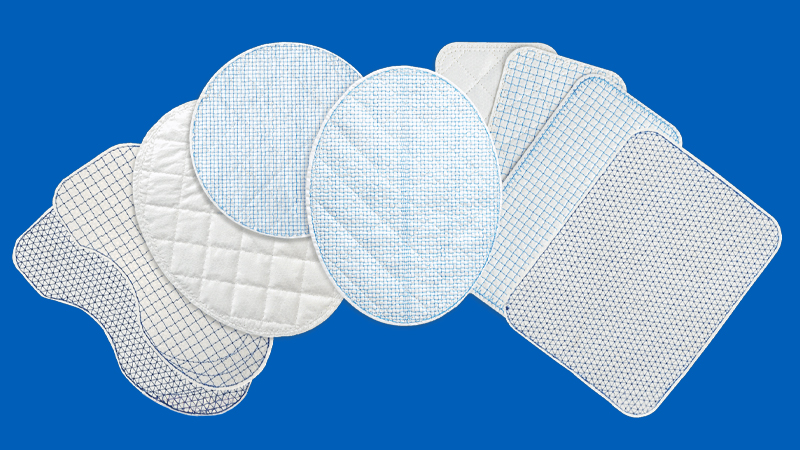
The results have been transformative. Grade 3 patients – who represent the most complex cases – previously experienced an 80% recurrence rate over three years with BADM (Bovine Acellular Dermal Matrix) meshes; with the new mesh, recurrence dropped to 0.8% across 120 cases, resulting in shorter hospital stays and fewer complications.
These improvements drove a 50% reduction in pathway costs over a year, generating £1.57 million in productivity and efficiency savings for the trust.
Mr Paul Wilson, MB, ChB (Hons), FRCS Ed, FRCS (Gen) Consultant in General, Laparoscopic and Abdominal Wall Reconstruction Surgery, University Hospitals of Morecambe Bay, said:
‘Our reconstructions over the last three and a half years have demonstrated excellent clinical outcomes and significantly lower recurrence and complication rates vs our BADM series.’
Ian Dodd, Clinical Engagement and Implementation Manager at NHS Supply Chain, added:
‘This pioneering collaboration between NHS Supply Chain, leading NHS clinicians and innovative suppliers has delivered a game changing solution. Durable, culturally acceptable surgical mesh technologies are significantly improving patient outcomes while reducing unnecessary clinical interventions and freeing up valuable NHS resources.’
NHS Supply Chain’s value-based approach, supported by robust financial validation, strong clinical leadership and detailed pathway analysis, has given confidence to trusts across England and Wales to adopt this redesigned pathway.
Following the success of the pilot, NHS Supply Chain has identified further trusts to partner with, scaling the second-generation mesh initiative nationally.
More information
See our Useful Links section for the full case study and learn more about adopting second-generation mesh at your trust. There is also a dedicated enquiry form.
You will also find a link to other Value Based Procurement case studies.
Media Enquiries
Corporate Communications and Media Team
About NHS Supply Chain
Our role is to source, deliver and supply healthcare products, services and food for NHS trusts and healthcare organisations across England and Wales. By working in collaboration with the healthcare system and suppliers, we help the NHS to put patients first.
We are a part of the NHS and deliver cost-efficient, resilient, clinically assured products that are responsive to frontline needs and focussed on the end-to-end patient pathway.
We provide over 35 million products a year to the NHS in a wide variety of categories, from food to knee implants and MRI scanners, and work with over 1,100 suppliers. Through our scale and reach, we deliver value at a national level on behalf of the whole healthcare system to support the NHS to save lives and improve health.
Supply Chain Coordination Ltd (SCCL) is the company at the heart of NHS Supply Chain. It provides oversight and operational management for NHS Supply Chain and its service providers. SCCL is the legal entity through which NHS Supply Chain undertakes its procurement services and transacts with customers and suppliers. Whilst its shares are owned by NHS England, SCCL is a separate organisation.
Links section
-
Case Study: Reducing Hernia Recurrence to Free Up Surgical Capacity
Achieving cost savings, improved clinical outcomes and better patient recovery rates with Second-Generation Mesh.
-
Value Based Procurement - Case Studies
How we are working with the NHS to shift from cash releasing savings to Value Based Procurement.