
Real-World Clinical Example: Improving Continence Care Through Product Reassessment
This real-world clinical example demonstrates one trust’s experience with a specific solution available through our frameworks. The inclusion of supplier names and/or products in this testimonial are intended strictly for educational purposes and does not constitute an endorsement of the individual suppliers by NHS Supply Chain.
The results and findings presented are specific to the project featured. As a supplier-agnostic organisation, we support informed choice across the full range of solutions within each category.
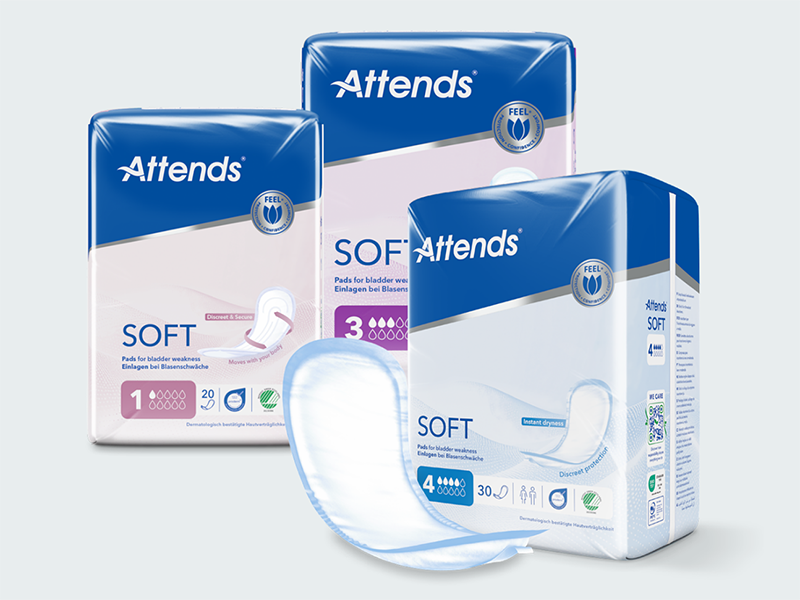
A collaborative project between Gloucestershire Continence Service, Nazareth House and Attends Limited, has shown how reviewing continence product use can improve resident dignity and independence while reducing costs and waste.
The challenge
Continence needs can change over time, but products are often prescribed based on an individual’s circumstances at the point of assessment. Without regular reviews, some people may continue to use products with incorrect absorbency levels for their needs.
At Nazareth House in Cheltenham, staff observed that many residents were able to use the toilet independently, while some products being changed contained little or no urine. This suggested an opportunity to review product selection and ensure residents were receiving products that best reflected their current needs.
The solution
Working alongside Gloucestershire Continence Service, Nazareth House undertook a structured reassessment of continence product use, supported by Attends Limited.
The project included:
- Monitoring product usage.
- Reviewing the frequency of product changes and any leakage incidents.
- Conducting individual reassessments to match products more closely to clinical need.
- Gathering feedback from residents and care staff on product performance, comfort and usability.
This person-centred approach helped ensure products supported residents’ lifestyles, independence and care requirements.
The outcomes
The reassessment demonstrated that many residents could use lower absorbency products while continuing to receive appropriate support and protection.
Benefits included:
- Better alignment between products and individual clinical need.
- Improved comfort, dignity and independence for residents.
- Reduced unnecessary product usage and waste.
- More efficient use of resources through improved product selection.
The project also delivered measurable financial benefits. Average product costs reduced from £0.53 to £0.49 per resident per day, equating to an estimated annual saving of around £730 for a 50-resident care home.
In addition, moving residents to products more closely matched to their needs helped reduce the environmental impact* associated with disposable continence products.
*Environmental impact was measured using Global Warming Potential (GWP), expressed as carbon dioxide equivalent (CO2e). For example, one resident’s reassessment resulted in a 58% reduction of approximately 63.5kg CO2e per year while continuing to meet their continence needs.
Looking ahead
The project highlighted the value of regular reassessment and personalised continence care. By combining clinical expertise, resident feedback and product usage data, Gloucestershire Continence Service and Nazareth House were able to improve outcomes for residents while making more effective use of resources.
Reflecting on the project, Mandy Butler, Lead Continence/Urodynamic Nurse Specialist at Gloucestershire Continence Service, said:
We were able to improve continence care, enabling a number of residents to regain independence in managing their own care and significantly enhancing their quality of life.
The project demonstrates how a collaborative approach between healthcare providers, care homes and supplier partners can support more personalised continence care. By ensuring residents receive the right product for their individual needs, organisations can enhance patient experience, reduce waste and make better use of NHS resources.
For organisations looking to improve continence care pathways, the findings offer a practical example of how regular product reviews can deliver benefits for residents, clinicians and healthcare systems alike.
If you are a community healthcare provider interested in exploring similar initiatives, please contact your NHS Supply Chain representative for more information. Home Delivery Service customers should speak to their Account Support Manager, while Non-Acute and Community customers should contact their Community Engagement Manager.
Links section
-
Delivering Better Continence Care Through Value-Based Procurement – A New Model for Community Healthcare
This Value Based Procurement pilot explores new ways to deliver continence care, with a focus on outcomes and efficiency.
-
Case Studies
View more of our case studies