
Responding to the challenges facing maternity services
This news articles provides examples to demonstrate how various innovation products can support maternity outcomes. The inclusion of supplier names and/or products in this news post is intended strictly for educational purposes and does not constitute an endorsement of the individual suppliers by NHS Supply Chain.
Across the NHS, maternity teams continue to provide exceptional care for women and families every day, often within increasingly complex clinical environments.
At the same time, maternity services are responding to evolving patient expectations, increasing clinical complexity and growing national focus on women’s health and maternity safety.
One area receiving particular attention is postpartum haemorrhage (PPH), one of the most serious complications that can occur following childbirth. Recent data suggests rates of severe PPH in England have increased by approximately 19% since 20201, reinforcing the importance of timely identification and management of obstetric bleeding.
The NHS Supply Chain team works closely with clinical stakeholders, procurement teams and suppliers to provide access to the latest technologies that can help address some of the key challenges facing maternity and gynaecology services today.
From managing postpartum haemorrhage and assisted vaginal birth to improving treatment options for women with symptomatic fibroids, innovation has an important role to play in supporting clinicians and helping organisations respond to the everchanging healthcare priorities.

Innovation in postpartum haemorrhage management
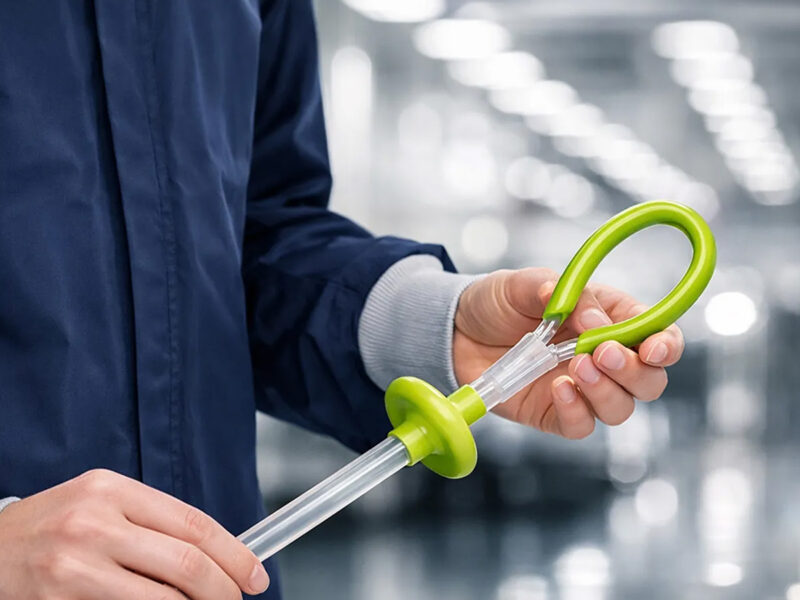
Postpartum haemorrhage remains one of the most serious complications that can occur following childbirth and continues to be a significant focus within maternity care.
Within the NHS Supply Chain Obstetrics, Gynaecology and Sexual Health Framework, Jada® System has been introduced to help clinicians manage postpartum haemorrhage. The system uses low-level vacuum technology to stimulate physiological uterine contraction and control bleeding. It is also designed to provide visible and measurable assessment of blood loss, supporting timely escalation and clinical decision making.
Postpartum haemorrhage continues to receive increasing attention across the maternity sector. NHS England’s Maternal Care Bundle places significant emphasis on the timely identification, escalation and management of obstetric haemorrhage, while recent parliamentary questions have sought further understanding of increasing PPH rates and actions being taken to address them.
Contact the team
Care Pathway Team
Lisa Charlesworth
Clinical Specialist, Obstetrics and Gynaecology
Expanding options for assisted vaginal birth
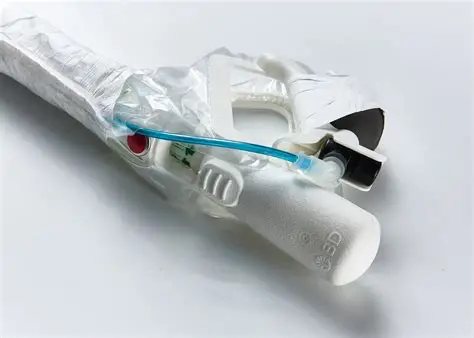
Complicated labour can present difficult clinical decisions, particularly when intervention is required to support delivery while seeking to minimise trauma to both mother and baby.
OdonAssist™ is an inflatable device for assisted vaginal birth designed as an alternative to forceps and vacuum extraction. The device consists of a soft inflatable cuff positioned around the baby’s head, allowing healthcare professionals to assist delivery using controlled traction. It is designed to minimise trauma for both mother and newborn and offers an alternative assisted delivery option during complicated labour.
For obstetric teams evaluating emerging technologies, innovations such as OdonAssist™ provide opportunities to consider additional approaches within assisted vaginal birth pathways.
Contact the team
Care Pathway Team
Lisa Charlesworth
Clinical Specialist, Obstetrics and Gynaecology
Supporting women with symptomatic fibroids
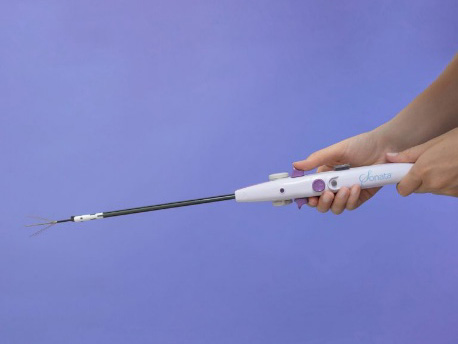
Women’s health extends beyond maternity care, with symptomatic uterine fibroids continuing to impact quality of life for many patients and contribute to demand across gynaecology services.
Sonata® System is a minimally invasive treatment approach that combines real-time ultrasound guidance with targeted radiofrequency ablation to treat symptomatic fibroids whilst preserving the uterus.
The potential benefits include:
- Minimally invasive treatment without incisions
- Outpatient treatment potential
- Precise ultrasound-guided targeting
- Uterus-preserving treatment pathways
- Faster recovery compared with more invasive surgical approaches
For gynaecology services seeking alternative treatment options and pathway efficiencies, Sonata offers an innovative approach to fibroid management.
Contact the team
Care Pathway Team
Eleanor Bevan-Davies
Clinical Implementation Manager for Minimally Invasive Surgery (MIS)